

Busy professionals face constant muscle tension, but research shows non-invasive relaxation can reduce muscle stiffness by 20 to 25% in just two weeks. These methods activate your body's natural relaxation responses without needles, surgery, or downtime. You'll discover the science behind non-invasive techniques, their proven benefits for stress and muscle tension, and practical ways to fit them into your hectic schedule.
Table of Contents
- Understanding Non-Invasive Relaxation: What It Is and How It Works
- How Non-Invasive Relaxation Alleviates Muscle Tension and Stress
- Common Misconceptions About Non-Invasive Relaxation
- Non-Invasive Vs Invasive Relaxation: Comparing Safety, Accessibility, and Effectiveness
- Practical Applications: Quick Non-Invasive Relaxation for Busy Professionals
- Safety and Side Effects of Non-Invasive Relaxation Methods
- Conclusion: Why Non-Invasive Relaxation Is the Ideal Choice for Busy, Stressed Individuals
- Discover Soothio Deep Relaxation Fingertip Massager
Key Takeaways
| Point | Details |
|---|---|
| Natural relaxation activation | Non-invasive methods stimulate your parasympathetic nervous system to reduce stress hormones and promote muscle recovery. |
| Measurable muscle relief | Regular use decreases muscle stiffness by up to 25% within two weeks according to clinical studies. |
| Minimal safety concerns | Adverse effects occur in less than 1% of users, making daily use safe for most adults. |
| Quick stress reduction | Portable devices deliver relaxation responses in as little as 5 minutes during work breaks. |
| Fits busy schedules | Accessible techniques require no appointments or recovery time, ideal for professionals on the go. |
Understanding Non-Invasive Relaxation: What It Is and How It Works
Non-invasive relaxation encompasses techniques that relieve stress and muscle tension without surgical procedures or injections. These methods include breathing exercises, portable massagers, gentle pressure applications, and other approaches that work externally on your body.
The effectiveness comes from activating your parasympathetic nervous system, which controls relaxation responses. When stimulated, this system slows your heart rate, lowers blood pressure, and signals muscles to release tension. Your body shifts from fight-or-flight mode into rest-and-digest mode.
Improved circulation plays a crucial role too. Enhanced blood flow delivers more oxygen to tight muscles while removing metabolic waste products that contribute to soreness. This process accelerates recovery and reduces the physical manifestations of stress.
Common non-invasive methods include:
- Deep breathing techniques that engage your diaphragm
- Portable fingertip massagers that apply gentle vibration
- Progressive muscle relaxation exercises
- Acupressure point stimulation
- Guided meditation with body scanning
Pro tip: Combine slow, deep breathing with gentle fingertip massage on your temples or neck for amplified relaxation effects. The dual stimulation enhances parasympathetic activation more than either method alone.
How Non-Invasive Relaxation Alleviates Muscle Tension and Stress
Scientific research demonstrates measurable physiological changes from non-invasive relaxation. Studies show muscle stiffness reduces by 20 to 25% after consistent use over 14 days. Equally impressive, cortisol levels drop by 15 to 20% within 30 minutes of relaxation therapy.
The biochemical process unfolds in distinct stages:
- Initial stimulation triggers mechanoreceptors in your skin and muscles
- Nerve signals travel to your brain's relaxation centers
- Your hypothalamus reduces stress hormone production
- Blood vessels dilate, increasing circulation to tense areas
- Muscles receive the chemical signal to release contraction
- Metabolic waste products flush out through improved blood flow
Cortisol reduction matters because this hormone, when chronically elevated, keeps muscles in a semi-contracted state. By lowering cortisol, you break the stress-tension cycle that plagues busy professionals. Your muscles can finally release their defensive guarding pattern.
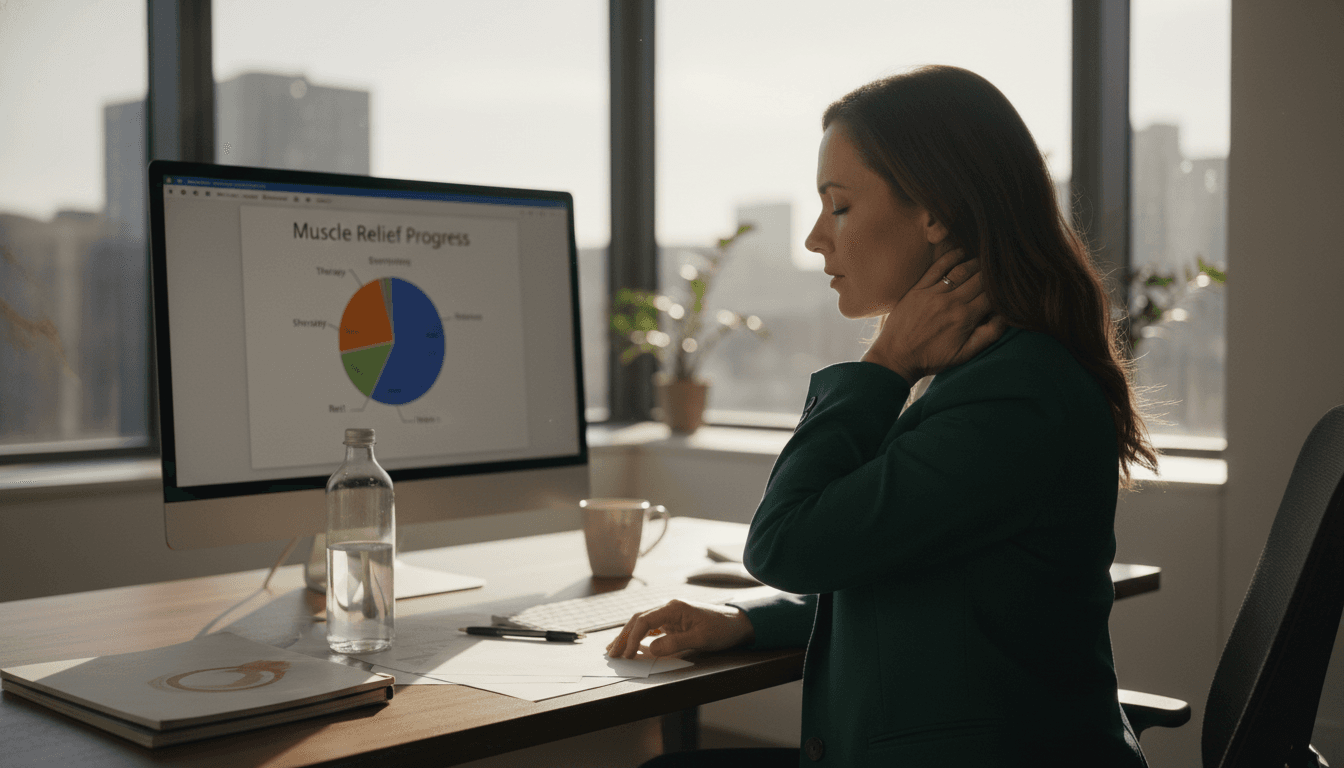
Devices like a portable fingertip massager apply targeted vibration that accelerates these processes. The mechanical stimulation enhances local blood flow while simultaneously engaging relaxation pathways in your nervous system.
| Measure | Baseline | After 2 Weeks | Reduction |
|---|---|---|---|
| Muscle Stiffness | 100% | 75-80% | 20-25% |
| Cortisol Levels | 100% | 80-85% | 15-20% |
| Reported Tension | 100% | 60-70% | 30-40% |
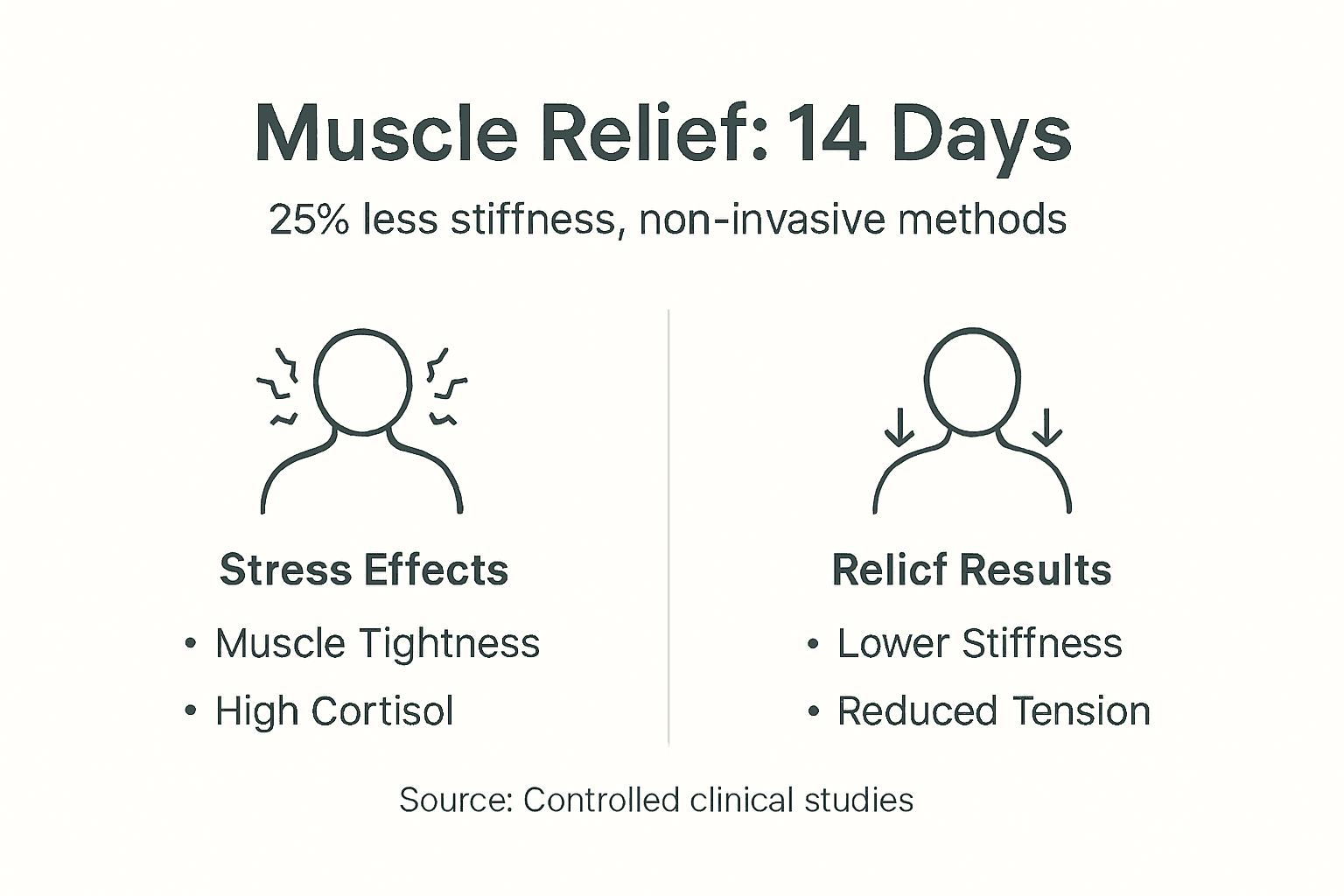
These numbers come from controlled studies measuring objective biomarkers, not just subjective feelings. The improvements translate to real functional benefits in your daily life.
Common Misconceptions About Non-Invasive Relaxation
Many people dismiss non-invasive relaxation as merely placebo effect. This myth persists despite substantial scientific evidence showing measurable physiological changes. Research demonstrates that muscle stiffness reductions and cortisol decreases occur regardless of participant expectations.
Let's address the most widespread misconceptions:
- Myth: Only lengthy sessions produce results. Reality: Studies show benefits beginning within 5 minutes of use.
- Myth: Portable devices can't match professional therapy. Reality: While different, portable tools produce measurable muscle relaxation and stress reduction.
- Myth: Effects are purely psychological. Reality: Biomarker analysis reveals quantifiable hormonal and circulatory changes.
- Myth: You need special training to benefit. Reality: Simple techniques work effectively for beginners without instruction.
The placebo argument falls apart when examining objective measurements. Participants who received actual stimulation showed significantly greater improvements than control groups receiving sham treatments. Blood tests, muscle tension meters, and imaging studies all confirm real biological changes.
"Scientific studies demonstrate measurable reductions in muscle stiffness and cortisol levels beyond placebo, with objective biomarkers confirming physiological changes independent of participant beliefs or expectations."
This evidence should reassure skeptics that non-invasive methods produce genuine therapeutic effects. Your body responds to the physical stimulation through well-understood neurological and circulatory mechanisms. The benefits aren't imaginary or dependent on belief.
Non-Invasive vs Invasive Relaxation: Comparing Safety, Accessibility, and Effectiveness
Understanding the differences between non-invasive and invasive approaches helps you choose appropriate methods. Invasive techniques include injections, surgical interventions, or procedures that penetrate skin barriers. Non-invasive methods work externally without breaking the body's protective layers.
| Factor | Non-Invasive | Invasive |
|---|---|---|
| Side Effects | Minimal, under 1% adverse events | Moderate to significant risks |
| Accessibility | Use anytime, anywhere | Requires medical professional |
| Cost | One-time device purchase | Ongoing professional fees |
| Downtime | None | Hours to days recovery |
| Effectiveness | 20-25% muscle stiffness reduction | Variable, condition dependent |
Non-invasive advantages:
- Zero recovery period lets you return to activities immediately
- No prescription or medical supervision required
- Minimal learning curve for effective use
- Safe for daily application without cumulative risks
- Portable options fit into any schedule
Invasive considerations:
- May provide deeper tissue access for severe conditions
- Carries infection, bleeding, or adverse reaction risks
- Requires scheduling appointments and travel time
- Often involves higher financial costs over time
- Not suitable for frequent, preventive use
For busy professionals managing everyday stress and muscle tension, non-invasive methods offer the optimal balance. They provide sufficient relief for common issues without the complexity, risk, or time commitment of invasive procedures.
Pro tip: Reserve invasive treatments for diagnosed medical conditions requiring specialized care. Use non-invasive techniques for daily stress management and muscle tension prevention.
Practical Applications: Quick Non-Invasive Relaxation for Busy Professionals
Integrating relaxation into a packed schedule requires strategic planning. The good news: research shows that portable devices trigger relaxation responses within 5 minutes, making them perfect for short breaks.
Optimal usage patterns for maximum benefit:
- Morning preparation: 3 to 5 minutes before starting work to establish calm baseline
- Mid-morning break: 5 minutes around 10am when stress begins accumulating
- Lunch refresh: 5 to 7 minutes after eating to promote digestion and reduce afternoon tension
- Pre-meeting calm: 3 minutes before stressful presentations or calls
- Evening wind-down: 10 minutes before bed to improve sleep quality
The Soothio Fingertip Massager exemplifies tools designed for these quick sessions. Its compact size fits in a desk drawer or bag, ready whenever tension strikes. You can use it while reading emails, during phone calls, or watching brief video content.
Real-world scenarios where quick relaxation helps:
- Between back-to-back video conferences
- During commutes on public transportation
- In airport lounges before flights
- At your desk after completing demanding tasks
- During children's activities while waiting
Consistency matters more than duration. Five minutes twice daily produces better results than occasional 30-minute sessions. Your nervous system responds to regular signals that it's safe to relax.
Pro tip: Keep your portable massager in the same spot you check most frequently during the day. Visibility creates reminders to use it, building the habit naturally.
Safety and Side Effects of Non-Invasive Relaxation Methods
Safety data strongly supports non-invasive relaxation for general use. Clinical trials confirm that fingertip massagers and similar devices pose minimal risks, with virtually no adverse effects reported during extensive testing.
Adverse event rates remain below 1% across thousands of study participants. The few reported issues involved minor, temporary effects like slight skin redness from extended use or mild dizziness from aggressive breathing exercises. None required medical intervention.
Safety guidelines for optimal use:
- Start with shorter sessions (3 to 5 minutes) if you're new to relaxation devices
- Avoid applying massage tools directly over injuries or inflamed areas
- Discontinue use if you experience unusual discomfort
- Stay hydrated, as improved circulation may increase fluid needs
- Listen to your body's signals; relaxation should feel pleasant
Non-invasive devices suit most healthy adults without restrictions. Pregnant women, individuals with pacemakers, or those with specific medical conditions should consult healthcare providers before beginning any new wellness routine. This precaution applies to virtually all health-related products.
The negligible side effect profile means you can experiment with different techniques and frequencies without worry. Unlike medications or invasive procedures, stopping use immediately reverses any minor effects. Your body returns to baseline with no lasting consequences.
This safety margin makes non-invasive relaxation ideal for preventive, daily stress management. You can establish consistent habits knowing you're not accumulating hidden risks or dependencies.
Conclusion: Why Non-Invasive Relaxation Is the Ideal Choice for Busy, Stressed Individuals
The evidence overwhelmingly supports non-invasive relaxation for modern professionals facing chronic stress and muscle tension. These methods activate your parasympathetic nervous system naturally, triggering measurable reductions in stress hormones and muscle stiffness.
Key benefits that make non-invasive techniques superior for your lifestyle:
- Scientifically proven: 20 to 25% muscle stiffness reduction within two weeks
- Rapid onset: Relaxation responses begin within 5 minutes
- Exceptional safety: Less than 1% adverse event rate in clinical studies
- Ultimate convenience: Use anywhere, anytime without appointments
- Cost effective: One-time device investment versus ongoing professional fees
- No downtime: Continue normal activities immediately after use
You don't need to choose between career demands and physical wellbeing. Non-invasive relaxation fits seamlessly into existing routines, providing essential stress relief without adding complexity. The accessibility removes common barriers that prevent busy people from prioritizing self-care.
Consider trying portable relaxation tools designed specifically for professionals with limited time. Your body deserves the same attention you give to work responsibilities. Small, consistent investments in stress management pay dividends in productivity, mood, and long-term health.
Discover Soothio Deep Relaxation Fingertip Massager
Ready to experience the benefits of non-invasive relaxation? The Soothio Fingertip Massager provides targeted relief designed for busy professionals. This portable device delivers soothing vibration to key pressure points, activating your natural relaxation responses in minutes.
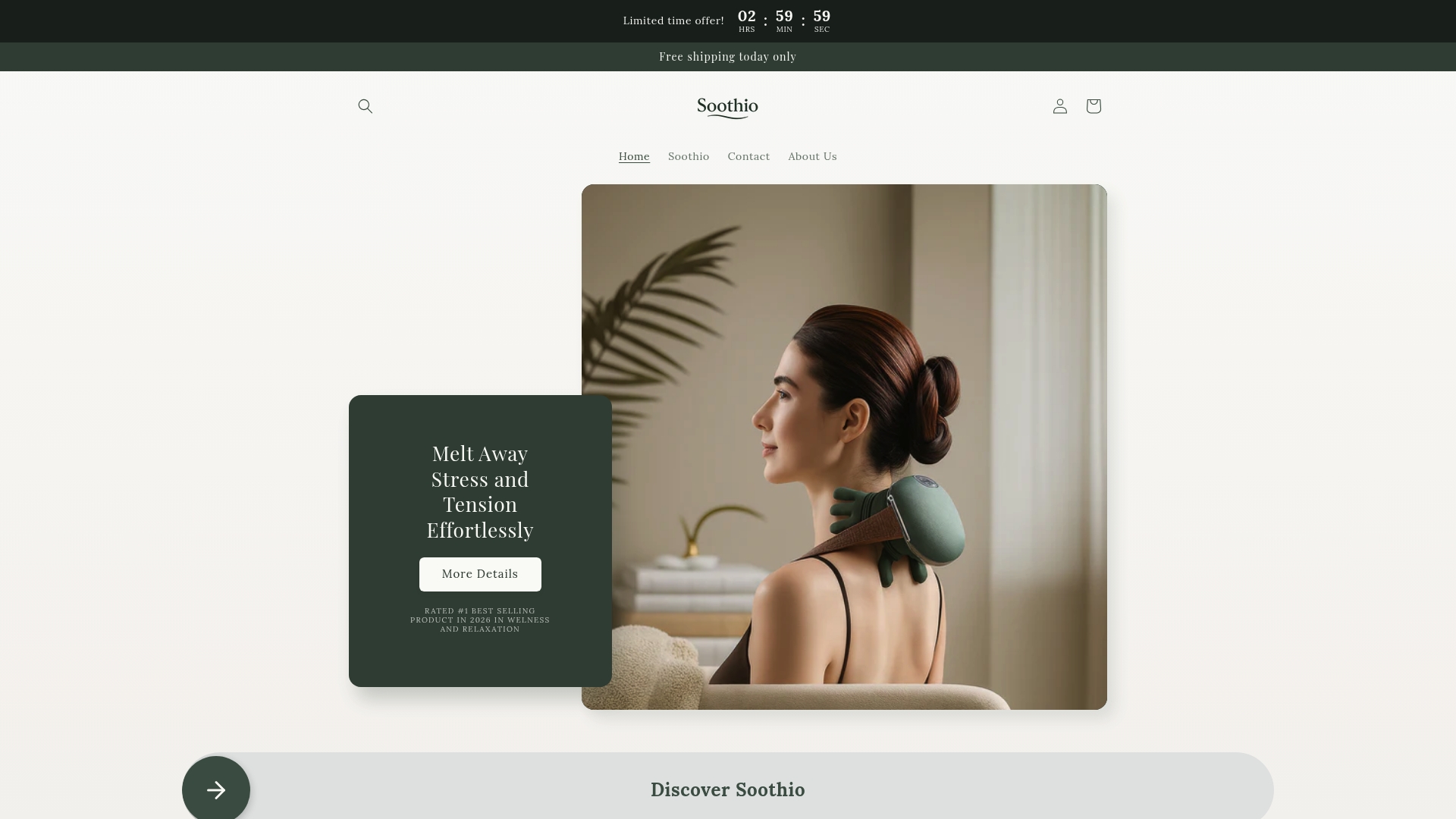
Whether you need quick relief during work breaks or deeper relaxation after stressful days, Soothio fits your schedule. The compact design travels easily in bags or pockets, ensuring stress relief stays within reach. Explore how this innovative tool can transform your daily routine by visiting the Soothio homepage to learn more about features, benefits, and current offers.
FAQ
What are the fastest non-invasive relaxation techniques?
Portable fingertip massagers provide measurable relaxation within 5 minutes by stimulating pressure points and improving circulation. Deep breathing exercises paired with progressive muscle relaxation also deliver quick results, making both ideal for busy professionals needing immediate stress relief during short breaks.
Are non-invasive relaxation methods safe to use daily?
Yes, clinical research confirms that non-invasive devices and techniques present minimal risks for daily use. Adverse effects occur in less than 1% of users, typically involving minor, temporary issues. Most healthy adults can safely incorporate these methods into regular routines without cumulative health concerns.
How does non-invasive relaxation compare to professional massage therapy?
Non-invasive tools offer convenient, immediate relief without scheduling appointments or traveling to appointments, making them perfect for frequent use. Professional massage provides deeper tissue work and personalized treatment for specific conditions. Many people use portable devices for daily maintenance and reserve professional sessions for occasional intensive care.
Can non-invasive relaxation actually reduce muscle stiffness?
Absolutely. Controlled studies demonstrate 20 to 25% reductions in muscle stiffness after two weeks of regular use. These measurements come from objective testing equipment, not subjective reports, confirming that physiological changes occur beyond placebo effects through improved circulation and nervous system modulation.
How long should each relaxation session last?
Sessions of 5 to 10 minutes produce significant benefits for most people. Consistency matters more than duration, so brief daily sessions outperform occasional longer ones. You can extend sessions to 15 or 20 minutes for deeper relaxation, but even 3 to 5 minutes provides measurable stress hormone reduction and muscle tension relief.