
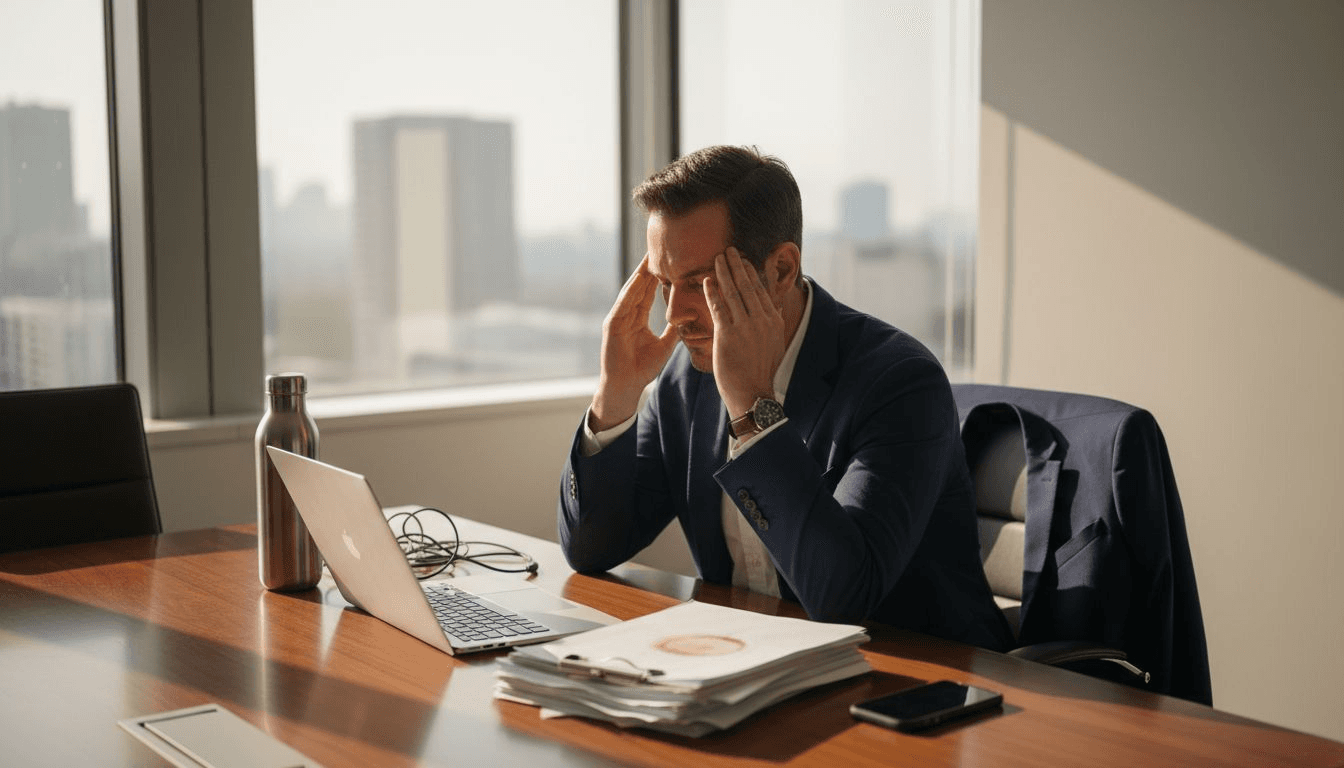
Muscle tension creeps into your shoulders during back-to-back meetings, tightens your neck after hours at a screen, and leaves you exhausted by evening. For stress-prone professionals, this cycle feels endless. Effective relaxation habits can reduce muscle tension by up to 60% within weeks, transforming your daily comfort and well-being. This guide shows you how to prepare, perform, and sustain proven techniques that deliver measurable relief.
Table of Contents
- Understanding Muscle Tension And Stress Connection
- Prerequisites And Preparation For Effective Relaxation
- Core Relaxation Techniques: Progressive Muscle Relaxation
- Core Relaxation Techniques: Deep Breathing Exercises
- Portable Relaxation Tools And Strategies
- Common Mistakes And Troubleshooting
- Safety And Contraindications
- Expected Outcomes And Timelines
- Discover Soothio's Portable Relaxation Solutions
- FAQ
Key Takeaways
| Point | Details |
|---|---|
| Stress biology | Relaxation techniques activate the parasympathetic nervous system to reduce muscle tension systematically. |
| Timeline | Regular practice of progressive muscle relaxation and deep breathing shows measurable benefits in 2 to 4 weeks. |
| Portability | Compact tools like fingertip massagers aid quick tension relief for busy professionals anywhere. |
| Pitfalls | Common mistakes such as irregular practice or improper breathing reduce effectiveness and can increase discomfort. |
| Safety | Use relaxation methods correctly and avoid them during acute injuries to prevent harm. |
Understanding Muscle Tension and Stress Connection
Stress triggers your sympathetic nervous system, the body's fight-or-flight response. This activation increases muscle contraction, preparing you for action. When stress becomes chronic, your muscles remain partially contracted for extended periods. Muscle tension results from sympathetic nervous system activation leading to chronic pain and limited mobility.
Persistent muscle tightness restricts your range of motion and causes discomfort. You may notice stiffness in your neck, shoulders, or lower back that interferes with work tasks and personal activities. Pain from chronic tension creates a feedback loop, increasing psychological stress and worsening physical symptoms.
Both biological and psychological stress contribute to persistent muscle tightness. Work deadlines, poor posture, and insufficient rest all compound the problem. Recognizing this stress and muscle tension connection helps you understand why targeted relaxation habits are essential:
- Chronic stress keeps muscles in a semi-contracted state, reducing blood flow and causing fatigue.
- Limited mobility from tight muscles affects posture, increasing strain on joints and ligaments.
- Pain signals from tense muscles activate brain regions that amplify stress perception.
- Breaking the cycle requires intentional activation of the parasympathetic nervous system through specific techniques.
Understanding these mechanisms motivates adopting relaxation habits. When you see the clear link between stress physiology and muscle tension, you can target interventions that address the root cause rather than just managing symptoms.
Prerequisites and Preparation for Effective Relaxation
Proper preparation maximizes relaxation benefits and ensures safety. Start by choosing a quiet, comfortable space with minimal distractions. Turn off notifications, dim lighting, and ensure the room temperature is comfortable. These environmental factors help your nervous system transition into relaxation mode more easily.
Hydration plays a critical role in muscle function. Drink water before your session to support tissue elasticity. If possible, apply gentle heat therapy to tense areas before preparing for relaxation techniques. Heat therapy improves blood flow aiding muscle relaxation and must avoid practices during acute injury.
Timing affects the quality of your relaxation session. Many professionals find morning sessions energize them for the day, while evening practice promotes better sleep. Choose a time when you can dedicate 10 to 20 minutes without interruption. Consistency matters more than perfection, so pick a schedule you can maintain.
Avoid relaxation techniques during acute muscle injuries. Sharp pain, swelling, or recent trauma require medical attention first. Self-care relaxation works best for chronic tension and stress-related tightness, not fresh injuries. Key preparation steps include:
- Select a distraction-free environment where you feel safe and comfortable.
- Hydrate adequately and consider gentle heat application to target areas.
- Choose a consistent time of day that fits your schedule and energy levels.
- Postpone practice if you have acute injuries, severe pain, or undiagnosed symptoms.
Pro Tip: Keep a small notebook nearby to jot down any intrusive thoughts during your session. This externalization helps your mind let go and focus on relaxation rather than trying to remember tasks.
Core Relaxation Techniques: Progressive Muscle Relaxation
Progressive muscle relaxation (PMR) systematically reduces tension by teaching your body the difference between contracted and relaxed states. The technique involves tensing specific muscle groups for 5 to 7 seconds, then releasing the tension while focusing on the sensation of relaxation. This process increases neuromuscular awareness and trains your nervous system to release chronic holding patterns.
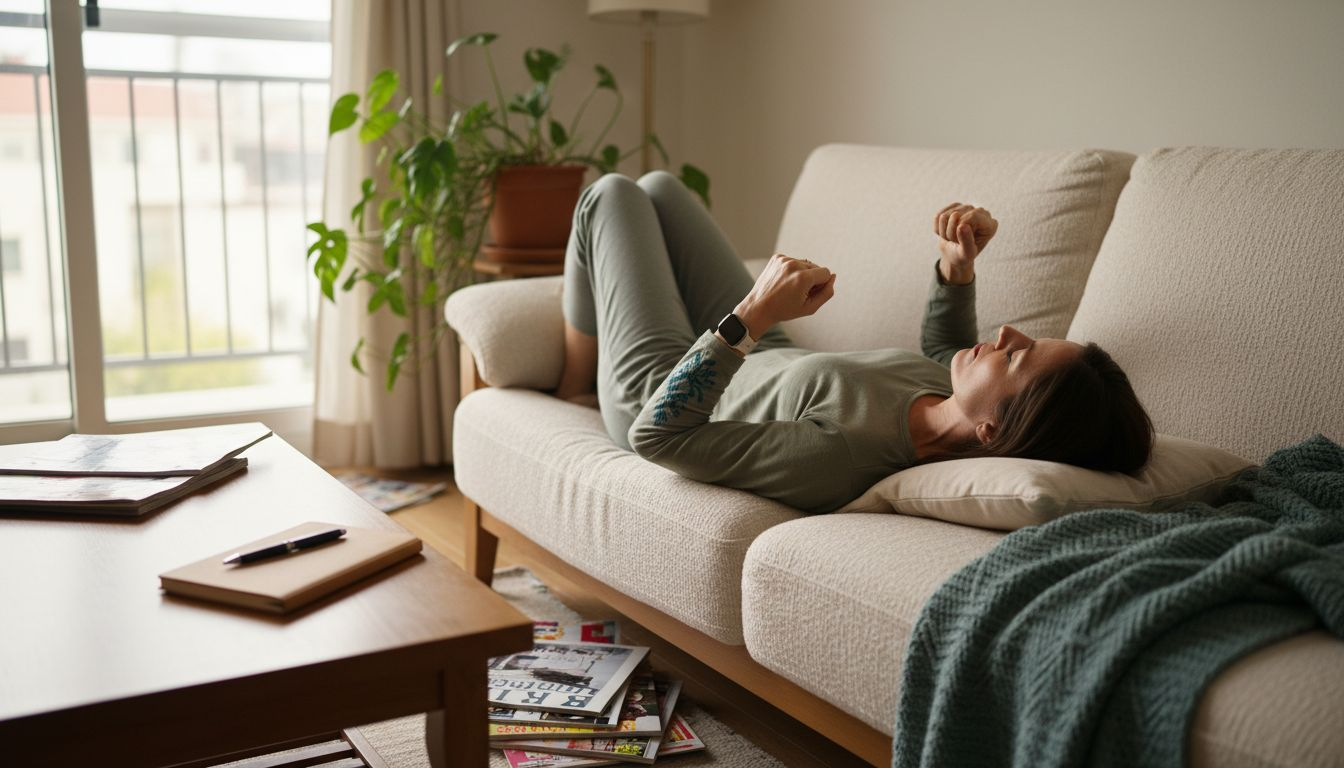
PMR reduces sympathetic nervous system arousal by sequentially tensing and relaxing muscle groups improving anxiety and sleep. Research shows that regular PMR practice lowers anxiety, improves sleep quality, and helps manage stress more effectively. Sessions lasting 10 to 20 minutes daily produce the best results.
Follow these steps to perform progressive muscle relaxation techniques correctly:
- Sit or lie in a comfortable position with your arms and legs uncrossed.
- Begin with your feet. Curl your toes tightly, hold for 5 seconds, then release completely for 10 seconds.
- Move to your calves. Flex your feet toward your shins, hold, then release.
- Tense your thighs by straightening your legs and squeezing, hold, then relax.
- Contract your glutes and hold for 5 seconds before releasing.
- Tighten your stomach muscles, hold, then let them soften.
- Make fists with both hands, squeeze tightly, hold, then open your hands.
- Tense your biceps by bending your elbows and flexing, hold, then release.
- Raise your shoulders toward your ears, hold, then let them drop.
- Finish by scrunching your face muscles tightly, hold for 5 seconds, then relax completely.
Focus on the contrast between tension and relaxation. This awareness helps you identify and release chronic muscle holding throughout your day. After completing the full sequence, spend 2 to 3 minutes breathing naturally and noticing your body's relaxed state.
Pro Tip: If any muscle group feels painful when tensed, reduce the intensity or skip that area. The goal is awareness, not discomfort.
Core Relaxation Techniques: Deep Breathing Exercises
Controlled breathing activates your parasympathetic nervous system, triggering your body's natural relaxation response. This counteracts the stress-induced sympathetic activation that causes muscle tension. Deep breathing lowers cortisol levels and reduces the physical manifestations of stress quickly.
The 4-4-6 breathing pattern proves particularly effective. Deep breathing with this pattern lowers cortisol and rapidly reduces muscle tension with 3 to 5 minute practice. Inhale for 4 seconds, hold for 4 seconds, then exhale for 6 seconds. The extended exhale stimulates the vagus nerve, which signals your body to relax.
Practice deep breathing exercises guide anywhere for immediate stress relief:
- Sit comfortably with your spine straight and shoulders relaxed.
- Place one hand on your chest and the other on your belly to monitor your breathing.
- Inhale slowly through your nose for 4 seconds, expanding your belly rather than your chest.
- Hold your breath gently for 4 seconds without straining.
- Exhale slowly through your mouth for 6 seconds, letting your belly fall.
- Repeat this cycle for 3 to 5 minutes, maintaining a steady rhythm.
Start with just 3 minutes daily and gradually extend your practice. Consistency enhances parasympathetic nervous system activation, creating lasting benefits. Many professionals practice deep breathing for muscle tension relief during commutes, between meetings, or before challenging conversations.
You can perform this technique discreetly in almost any setting. The portability makes it ideal for managing acute stress moments. Over time, your body begins to associate the breathing pattern with relaxation, making the response faster and more automatic.
Pro Tip: If you feel lightheaded during practice, shorten your breath hold to 2 seconds or breathe more shallowly. Your body needs time to adapt to controlled breathing patterns.
Portable Relaxation Tools and Strategies
Busy professionals need relaxation methods that fit into packed schedules. Portable tools and quick strategies provide effective tension relief without requiring extended time commitments or special environments. These approaches complement longer relaxation sessions and help maintain benefits throughout your day.
Portable fingertip massagers provide targeted muscle relief ideal for busy professionals needing quick tension reduction. These compact devices deliver focused pressure to tight areas in your neck, shoulders, and upper back. You can use them at your desk, during breaks, or while watching evening television.
Brief mindfulness breaks significantly reduce stress rapidly. Taking 2 minutes to close your eyes, breathe deeply, and scan your body for tension helps prevent accumulation. Gentle stretching breaks, such as shoulder rolls or neck tilts, release building tightness before it becomes painful.
Compare portable relaxation tools to find what works for your lifestyle:
| Method | Portability | Session Length | Primary Benefit |
|---|---|---|---|
| Fingertip Massager | Highly portable, fits in pocket | 2 to 5 minutes | Targeted muscle tension relief |
| Deep Breathing | No equipment needed | 3 to 5 minutes | Rapid stress hormone reduction |
| Brief Stretching | Minimal space required | 2 to 3 minutes | Prevents tension accumulation |
| Progressive Muscle Relaxation | Requires quiet space | 10 to 20 minutes | Full-body neuromuscular reset |
Combine multiple portable muscle relief methods throughout your day. Use deep breathing before important meetings, fingertip massage during afternoon slumps, and full PMR sessions in the evening. This layered approach maintains consistent parasympathetic activation, preventing stress from building to overwhelming levels.
Portable strategies support sustained relaxation habits because they remove common barriers. You do not need special clothing, equipment, or locations. The accessibility increases adherence, which drives the cumulative benefits that transform your stress response over weeks.
Common Mistakes and Troubleshooting
Even well-intentioned practitioners make errors that reduce relaxation technique effectiveness. Recognizing these pitfalls helps you adjust your approach for better results. Awareness of common mistakes prevents frustration and supports consistent practice.
Skipping sessions or practicing irregularly impedes relaxation benefits. Your nervous system requires repeated exposure to build new response patterns. Sporadic practice does not provide the consistent signal needed for adaptation. Aim for daily sessions, even if brief, rather than occasional longer practices.
Incorrect breathing rhythms worsen muscle tension instead of relieving it. Shallow chest breathing or holding your breath during relaxation exercises activates stress responses. Always focus on deep belly breathing with extended exhales. Irregular practice, improper breathing, and excessive massage force cause increased discomfort in up to 30% of users.
Using too much pressure during self-massage causes pain rather than relief. Massage should feel firm but never painful. Start with gentle pressure and increase gradually. Pain signals your body to tense protectively, defeating the relaxation purpose.
Ignoring acute injury signs can cause harm. Sharp pain, tingling, or numbness requires medical evaluation. Do not attempt to relax through severe symptoms. Address these troubleshooting tips:
- Schedule relaxation sessions like appointments to build consistency and overcome skipping habits.
- Monitor your breathing quality during all techniques, ensuring deep belly breaths rather than shallow chest breathing.
- Apply gentle to moderate pressure with massage tools, stopping immediately if you experience sharp or increasing pain.
- Distinguish between muscle tension discomfort and injury pain, seeking professional help for the latter.
- Track your practice in a journal to identify patterns and maintain motivation through progress visibility.
Many practitioners report improved results after addressing just one or two of these common relaxation mistakes. Small adjustments in technique or consistency often unlock significantly better outcomes.
Safety and Contraindications
Safe practice ensures relaxation techniques help rather than harm. While these methods are generally safe for most people, certain situations require caution or professional guidance. Understanding contraindications protects you from exacerbating existing conditions.
Avoid muscle relaxation if acute injuries or severe conditions are present; consult healthcare providers before self-treatment. Do not practice relaxation techniques during acute muscle injuries, recent surgeries, or when experiencing severe pain. These situations require professional medical evaluation and treatment rather than self-care approaches.
Consult your healthcare provider before beginning relaxation practices if you have chronic conditions such as cardiovascular disease, respiratory disorders, or neurological conditions. Certain techniques may need modification for safety. Your provider can guide you on appropriate intensity and duration.
Proper technique is critical to avoid exacerbating muscle damage. Never force your body into painful positions during stretching or PMR. Respect your current flexibility and strength limits. Gradual progression prevents injury and builds sustainable habits.
Always stop immediately if you experience sharp pain, dizziness, severe breathlessness, or unusual symptoms during relaxation practice. These signs indicate you may be practicing incorrectly or that an underlying condition requires attention. When in doubt, consult a healthcare professional before continuing.
Safety protocols support sustainable muscle tension relief:
- Postpone relaxation exercises if you have acute injuries, infections, or severe pain until medically cleared.
- Seek professional guidance if you have chronic health conditions before starting new relaxation practices.
- Use gentle pressure and movements, never forcing your body beyond comfortable ranges.
- Stop practice immediately if unusual symptoms occur and consult a healthcare provider.
Following relaxation safety guidelines ensures your practice remains beneficial over the long term. Safety awareness protects your investment in building effective relaxation habits.
Expected Outcomes and Timelines
Realistic expectations help maintain motivation during the initial weeks of practice. Relaxation habits produce measurable benefits, but results accumulate gradually rather than overnight. Understanding typical timelines helps you stay committed through the adaptation period.
Most people notice significant muscle tension reduction within 2 to 4 weeks of daily practice. Daily relaxation practice yields 40 to 60% muscle tension reduction and lower cortisol levels within 2 to 4 weeks. Initial changes may be subtle, with more dramatic improvements appearing after consistent practice.
Cortisol and other stress hormone levels decrease with regular technique application. You may notice improved mood, better sleep quality, and increased resilience to daily stressors. These secondary benefits often motivate continued practice as much as the physical tension relief.
Track your progress to see improvements:
| Timeline | Expected Outcome | Measurement Indicator |
|---|---|---|
| Week 1 | Initial awareness | Notice tension patterns more clearly |
| Weeks 2-3 | Early relief | 20 to 30% reduction in perceived muscle tightness |
| Weeks 4-6 | Significant improvement | 40 to 60% muscle tension reduction, better sleep |
| Weeks 8+ | Sustained benefits | Maintained tension relief, lower baseline stress |
Consistency drives results. Daily 10 to 15 minute sessions produce better outcomes than occasional longer practices. The relaxation practice benefits compound over time as your nervous system develops more efficient stress response patterns.
Some individuals respond faster than others based on factors like stress severity, overall health, and technique adherence. Do not compare your timeline to others. Focus on your personal progress markers such as reduced pain frequency, improved sleep, or better stress management. These relaxation outcomes and timelines provide motivation to sustain your practice.
Discover Soothio's Portable Relaxation Solutions
Building effective relaxation habits requires the right tools. The Soothio Deep Relaxation Fingertip Massager is scientifically designed for quick muscle tension relief anywhere your day takes you. Its compact design fits easily in your pocket or desk drawer, providing targeted pressure when you need it most.
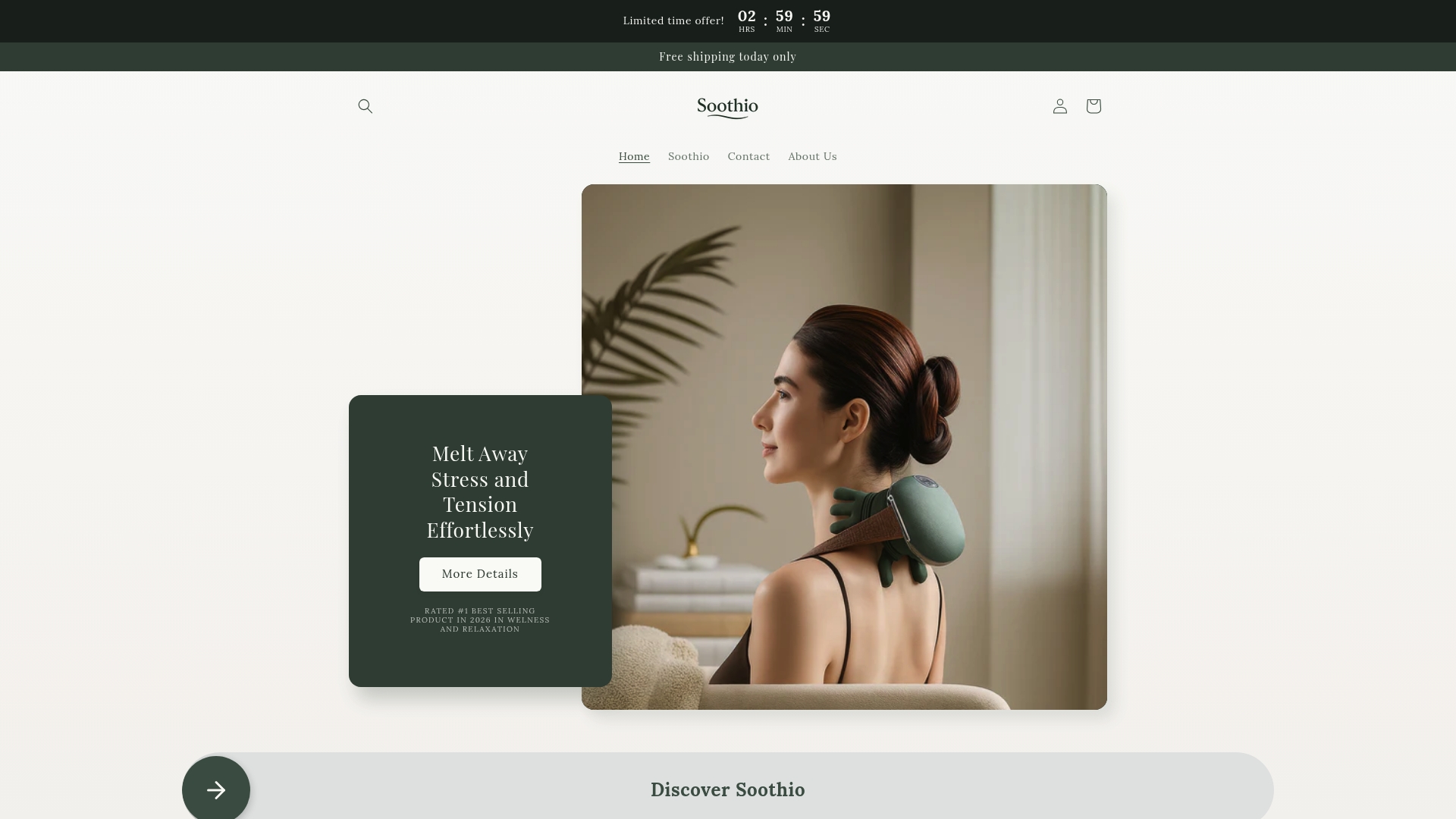
Ideal for busy professionals, this portable massager integrates seamlessly into your daily routine. Use it during breaks, while reviewing documents, or during your commute. The device complements the relaxation techniques you have learned in this guide, offering focused relief between longer practice sessions. Visit Soothio to explore how this tool can enhance your stress management routine and support sustained muscle tension reduction.
FAQ
How long does it take to see muscle tension improvements?
Most users notice significant reductions within 2 to 4 weeks of daily practice. Results depend on consistency and technique accuracy. Early changes include better awareness of tension patterns, with measurable relief building progressively over subsequent weeks.
Can I perform these relaxation techniques at work?
Deep breathing and portable fingertip massage are ideal for quick stress relief at work. Progressive muscle relaxation requires more privacy and time, better suited for off-hours. Brief 2 to 3 minute practices throughout your workday prevent tension accumulation effectively.
What should I do if I feel pain during self-massage?
If pain occurs, reduce pressure or stop the massage immediately. Persistent or severe pain warrants consultation with a healthcare provider. Self-massage should feel firm and relieving, never sharp or intensely uncomfortable.
Are these relaxation techniques safe if I have a chronic condition?
Consult your healthcare provider before starting new relaxation practices. Certain conditions may require modified techniques for safety. Your provider can recommend appropriate intensity levels and identify any contraindications specific to your health status.